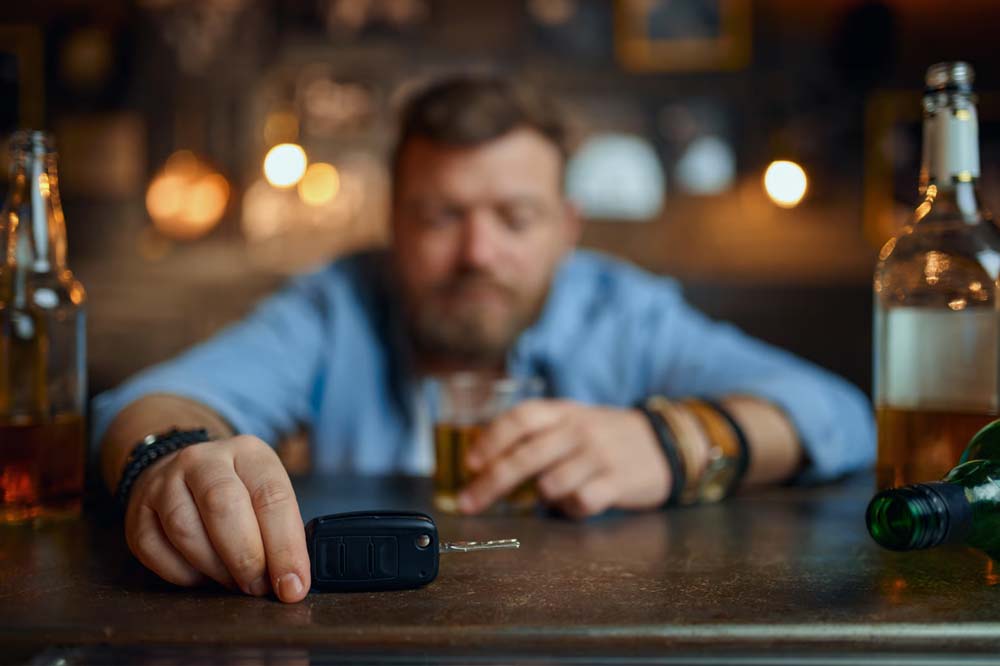
A Nebraska State Patrol trooper escaped injury after a vehicle crashed into the trooper’s cruiser in Omaha, according to the agency. At the time, the trooper was outside the cruiser directing traffic at an earlier, unrelated crash when the collision happened. The driver was taken into custody on suspicion of driving under the influence along with other charges. Following the incident, both the Douglas County Sheriff’s Office and the State Patrol reminded motorists to slow down, move over for emergency vehicles, and never get behind the wheel while impaired.
Understanding Nebraska’s Move Over Law
Nebraska law requires drivers to take specific action when approaching a stopped emergency vehicle displaying flashing lights. On a multi-lane road, you are expected to move over into a lane that is not next to the stopped vehicle whenever it is safe to do so. If moving over isn’t possible, you must slow down and proceed with caution. This protection applies to law enforcement, fire crews, ambulances, tow trucks, and roadside maintenance vehicles.
The reason for the law is simple: responders and crash victims are often standing just feet from passing traffic. A moment of inattention or an impaired driver can turn a routine roadside stop into a serious or fatal collision. Honoring the Move Over law protects the people who show up to help after an accident.
Why Impaired Driving Changes Everything
Alcohol slows reaction time, blurs judgment, and makes it far harder to respond to the unexpected—like flashing lights and people working near the roadway. In Nebraska, a driver can face DUI charges with a blood alcohol concentration of 0.08 percent or higher, and penalties grow steeper for repeat offenses, high BAC levels, or crashes that cause injury.
It’s important to understand that a criminal DUI case and a civil injury claim are two separate matters. Even if a driver is arrested and prosecuted, that criminal process does not automatically compensate the people who were hurt. Victims who want to recover money for medical bills, lost income, and other losses generally need to pursue a separate civil claim.
What to Do If You’re Injured in a Roadside or DUI Crash
If you are hurt in a collision—whether you’re a responder, a stopped motorist, or a passenger—a few early steps can make a meaningful difference in protecting your rights:
- Get medical attention promptly, even if your injuries seem minor. Some conditions appear hours or days later, and a prompt exam creates an important record.
- Report the crash and make sure an official report is filed. Note the responding agency and the report number.
- Document the scene if you are able—photos of the vehicles, the roadway, lighting, and any emergency vehicles present.
- Collect names and contact information for any witnesses.
- Be cautious about giving recorded statements to an insurance company before you understand your options.
- Keep records of your medical care, missed work, and out-of-pocket expenses.
Common Mistakes Accident Victims Make
One frequent error is assuming the at-fault driver’s insurance will treat you fairly without any guidance. Insurers are focused on limiting what they pay. Another mistake is waiting too long—Nebraska generally gives injured people a limited window to file a personal injury lawsuit, so delays can jeopardize an otherwise valid claim. Finally, many people underestimate the full cost of their injuries and settle too quickly, before the long-term picture is clear.
Talk With a Nebraska Injury Attorney
Every crash is different, and nothing here is a substitute for advice tailored to your situation. If you or someone you love has been injured by an impaired or careless driver in the Omaha area, the team at Johnson Tabor & Johnson is here to listen and explain your options. Call us at (402) 506-4444 or reach out through our contact page for a free, no-pressure consultation.
Source: This post summarizes reporting from KETV. Johnson Tabor & Johnson Law, LLC is not involved in this matter and does not represent any party to it. This article is provided for general informational purposes only and is not legal advice. Reading it does not create an attorney-client relationship. If you have been injured, contact a licensed attorney about your specific situation.


