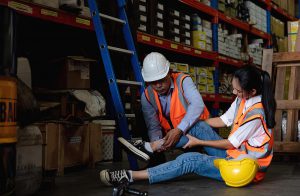
Understanding Construction Accidents: Causes, Prevention, and Legal Implications
Construction sites are bustling hubs of activity, involving a multitude of tasks and heavy machinery. Unfortunately, they are also prone to accidents, some of which can be severe and life-altering. Here we will explore the common causes of construction accidents, discuss preventive measures, and touch on the legal implications that follow such incidents.
Common Causes of Construction Accidents
Construction sites are inherently risk-laden environments. Several factors contribute to the high incidence of accidents, including:
Falls
Falls are the leading cause of fatalities in the construction industry. They can occur from roofs, scaffolds, ladders, or other elevated surfaces. Inadequate fall protection measures significantly increase the risk. It is particularly important that adequate safety measures are employed on all construction sites. However, when safety rules and procedures are not followed or enforced, liability is likely on the controlling contractor.
Struck-By Incidents
These accidents happen when a worker is hit by a moving vehicle, falling object, or debris. Struck-by incidents are often a result of insufficient safety protocols and improper handling of equipment.
Electrocutions
Electrocution can occur due to contact with power lines, faulty wiring, or improper use of electrical tools. Lack of proper training and safety measures often lead to these dangerous occurrences.
Caught-In/Between Accidents
These incidents involve workers being caught in or compressed by equipment or objects. They can also occur when a worker is trapped in a collapsing structure. Poor training and supervision often contribute to such accidents.
Equipment-Related Accidents
Heavy machinery and construction vehicles pose significant risks on construction sites. Accidents may occur due to equipment malfunction, operator error, or lack of proper maintenance.
Preventive Measures
Preventing construction accidents requires a proactive approach and strict adherence to safety standards. Here are some critical preventive measures:
Comprehensive Training
Ensuring that all construction workers are well-trained in safety protocols, machinery operation, and emergency response can significantly reduce the risk of accidents.
Use of Personal Protective Equipment (PPE)
PPE such as helmets, gloves, safety harnesses, and eye protection can minimize the severity of injuries in the event of an accident.
Regular Safety Inspections
Frequent inspections of equipment, tools, and overall site conditions can help identify and rectify potential hazards before they cause harm.
Fall Protection Systems
Implementing guardrails, safety nets, and personal fall arrest systems can greatly reduce the risk of falls from heights.
Proper Signage
Clear and visible signage indicating hazardous areas, proper procedural steps, and safety reminders can be crucial in maintaining a safe construction environment.
Legal Implications of Construction Accidents
Construction accidents often have significant legal ramifications. Understanding the legal landscape is vital for both workers and construction companies.
Workers’ Compensation
In most jurisdictions, construction workers are entitled to workers’ compensation benefits if they are injured on the job. This compensation covers medical expenses, lost wages, and rehabilitation costs.
Negligence and Liability
If an accident is a result of negligence on the part of the employer, contractor, or another party, injured workers may have grounds to file a personal injury lawsuit. Legal proceedings can pursue additional damages for pain and suffering, emotional distress, and punitive damages.
OSHA Regulations
The Occupational Safety and Health Administration (OSHA) sets and enforces standards to ensure safe working conditions. Non-compliance with OSHA regulations can lead to fines, legal action, and increased liability for construction companies.
Third-Party Claims
In cases where a third party (such as a subcontractor, equipment manufacturer, or property owner) is responsible for the accident, injured workers may pursue third-party claims in addition to workers’ compensation benefits.
Conclusion
Construction accidents are a serious concern that requires comprehensive measures to prevent. By understanding common causes, implementing effective preventive protocols, and being aware of legal implications, both workers and employers can contribute to a safer construction environment. Remember, safety is a collective responsibility, and proactive efforts can save lives and reduce the impact of accidents on construction sites.